The Art of the Herbarium
Archival techniques, historical specimen preservation, botanical pressing methods, and scientific nature printing history.
Inside this collection

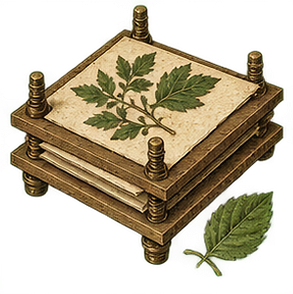
Plant Pressing & Specimen Mounting
Rag paper, linen thread, animal hide glue, wooden screw-presses, and the mechanical preservation of dry plant morphology.

Linnaean Herbarium Sheets
Carl Linnaeus's flat unmounted paper system, binomial type specimens, and surviving seventeenth-century Uppsala cabinets.

Physiotypy & Nature Printing
Inking fresh botanical specimens directly for plate transfer, Alois Auer's high-pressure process, and venation fidelity.

Botanical Wax & Papier-Mâché Models
The nineteenth-century teaching models of Robert Brendel and Louis Auzoux, oversized dissections, and botanical resin crafts.

Anna Atkins & Cyanotype Herbaria
The 1843 British Algae cyanotype folios, light-sensitive Prussian blue chemistry, and the first photographically illustrated book.

The Vasculum & Field Equipment
Tin field gathering cylinders, zinc damp-boxes, field blotters, and Victorian outdoor botanising material culture.

Historical Pest Control in Herbaria
Mercuric chloride baths, historical sulfur fumigations, and contemporary cold-storage defenses against the herbarium beetle.

Hortus Siccus of Luca Ghini
The sixteenth-century Italian invention of the bound dried garden, Luca Ghini's method, and the oldest surviving Renaissance folios.
A darker leaf.
A closer look.
We trace the line between botanical evidence, historical remedies and plant lore. A beautiful specimen deserves a careful reading.
Our approach